United States
UK HR exhibitions: why footfall alone doesn't measure value
HR suppliers have traditionally judged major exhibitions by visitor numbers, headline registrations and busy floors. But those measures alone reveal little about the quality of engagement, the relationships developed or the longer-term commercial opportunities created...
HR suppliers have traditionally judged major exhibitions by visitor numbers, headline registrations and busy floors. But those measures alone reveal little about the quality of engagement, the relationships developed or the longer-term commercial opportunities created.
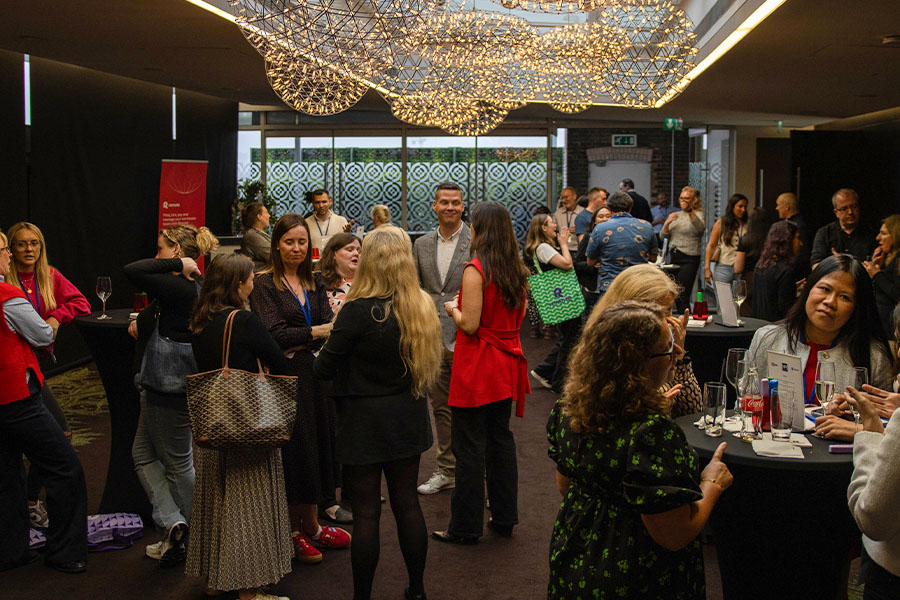
At HR Grapevine, we've closely followed and regularly visited the UK's major HR exhibitions. Over the last two to three years, we've noticed quieter aisles, smaller stands, fewer promotional giveaways and familiar suppliers choosing not to exhibit. Many of our clients have also reported a decline in the seniority of the delegates they're meeting.
What is happening at UK HR exhibitions?
We've tracked exhibitor participation across eight major UK general and specialist HR exhibitions, comparing the available figures from recent years. Total exhibitor appearances remained broadly stable, moving from 838 to 832, a decline of less than 1% across the available comparison periods. But this masks significant differences: three exhibitions increased their exhibitor numbers, three remained relatively stable and two declined. Changes ranged from growth of almost 24% to a fall of more than 18%.
We identified 595 suppliers appearing at just one of the eight exhibitions, nearly eight in ten of the companies we could match. Other suppliers appeared at multiple events, and our research doesn't capture participation in smaller specialist conferences.
Across these exhibitions, combined published audience figures amount to approximately 50,000 registrations and visitors. That shouldn't be read as 50,000 individual HR professionals: audiences overlap, registrations don't necessarily translate into attendance, and not everyone attending is a senior HR decision-maker.
Attendance is another challenge, particularly for free B2B events. In our experience of the UK HR exhibition market, turnout rates of around 30–40% of registrations are not unusual, although they vary between events. An exhibition attracting 10,000 registrations might therefore welcome 3,000 to 4,000 attendees. With HR teams managing competing priorities, securing a registration is one thing; persuading someone to take a day away from work and attend is another.
When HR technology and service suppliers brief us on marketing campaigns, they're often specific about the senior HR decision-makers they want to reach. Yet the same scrutiny isn't always applied to exhibition audiences. Exhibitors generally have visibility of delegates who visit their stand or agree to have their badges scanned, rather than the entire registered audience. A busy floor doesn't necessarily mean reaching the right people.
What do HR professionals actually want from exhibitions?
We've asked many senior HR professionals why they choose particular events. Many tell us they attend only one or two a year. They want to learn something new, hear speakers who challenge their assumptions and discover ideas that help tackle genuine business problems.
The event's reputation, the credibility of its content and trust in the organiser all matter. If someone gives up valuable time away from their business, the experience needs to offer something they couldn't easily find elsewhere.
Delegates often tell us afterwards that the people they've met and conversations they've had were just as valuable as the presentations. A discussion over coffee or lunch can provide a fresh perspective or useful connection. And never underestimate what you feed your guests. Good hospitality contributes to how they remember the experience.
But exhibitors' and delegates' expectations can diverge. Suppliers hope to generate leads, demonstrate products and create sales opportunities. Many HR professionals, meanwhile, attend to learn, explore ideas and connect with peers, without an immediate intention to buy. Both have reasonable expectations, but they aren't always aligned.
How do awareness and demand differ?
Large HR exhibitions have an important role in building brand awareness. They put suppliers in front of substantial audiences, create visibility alongside competitors and provide opportunities to introduce products and services. That passing footfall has real value.
But a supplier might return with hundreds of scanned badges and very few meaningful sales opportunities. Moving someone further through the buying journey takes education, time to explore business challenges and confidence in a supplier's expertise. Smaller, carefully curated events can offer a different kind of value here.
Bringing senior HR professionals together around a shared challenge creates space for more meaningful conversations. Suppliers can contribute their knowledge, listen to the problems organisations face and demonstrate their understanding without delivering a sales pitch. These conversations may not generate immediate leads, but they can build trust and engagement that influence future buying decisions.
Of course, smaller events aren't automatically better. Without the right content, participants and facilitation, a room of ten people can be just as disappointing as an exhibition stand nobody visits. Equally, large exhibitions can deliver valuable sales opportunities when visitors are actively evaluating solutions. Both formats have a role, but they serve different purposes.
How should HR suppliers measure event ROI?
Decide what each event needs to deliver before committing the budget. If the objective is brand awareness, assess the relevance of the audience and the exposure achieved, rather than expecting every interaction to become a qualified lead.
If the objective is education, thought leadership or developing relationships with senior HR decision-makers, the quality of discussion, expertise shared and engagement that continues afterwards become more meaningful measures of success.
Neither format should be treated as a standalone campaign. Conversations started at an exhibition or around a table need relevant content, continued engagement and thoughtful follow-up. Otherwise, even a successful event can become an expensive collection of contacts that never develop into business.
For HR marketers planning their next event budget, the question shouldn't simply be how many people they can reach, but what stage of the buying journey they're trying to influence. Building awareness and developing demand are different objectives, and they don't always require the same approach.
An event can put your brand in front of the right people, but credibility comes from what you contribute and commercial value from the relationships you build afterwards